Sponsored article
Pork skins: applications in the food industry
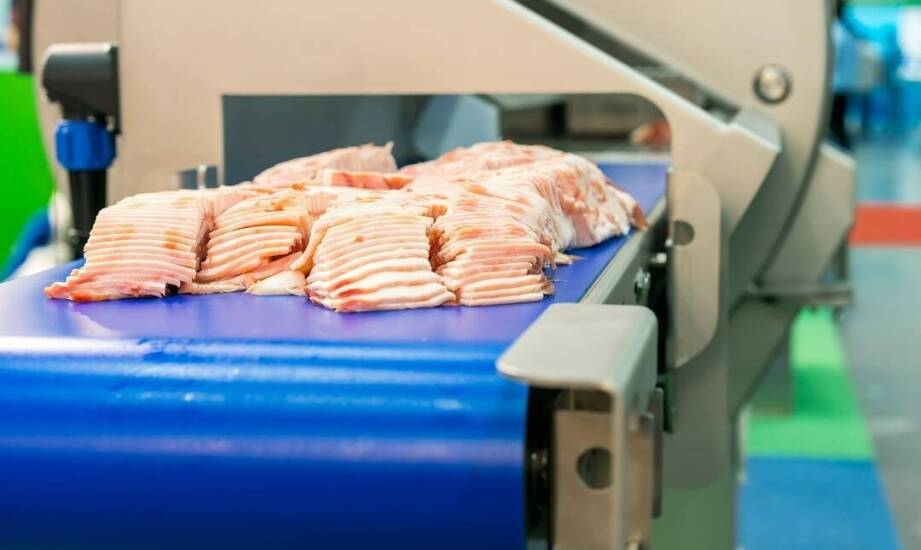
Pork skins are a by-product in the meat industry that is gaining popularity due to its versatile applications. They play a significant role in various aspects of the food industry, offering benefits to producers and consumers. Their properties and advantages of use deserve attention, thus we invite you to read further.
Nutritional properties of pork skins
Pork skins are rich in collagen, making them a valuable ingredient in food production. The nutritional properties of this raw material positively impact consumer health, supporting, among others, joints and skin. The collagen found in skins contributes to improved texture and taste of dishes, making them an attractive addition for food producers. It is important to pay attention to the quality of the raw material and the production process of the pork meat supplier to benefit from the advantages of the skins. Ensuring hygienic and technological standards is crucial in this regard to guarantee product safety and high quality.
Application of pork skins in food products
Pork skins are used in the production of various food products. Through processing, they become jellies, pâtés, and snacks. Their popularity is growing in kitchens around the world due to their unique taste and texture. A company specializing in this field offers a wide range of products tailored to customer needs. High-quality raw materials and compliance with hygiene and technological standards guarantee consumer safety and satisfaction, contributing to the dynamic growth of the industry.
Pork skins production process
The production of pork skins starts with obtaining the raw material, which is pork carcasses. Then it goes through stages such as salting, drying, and cutting, preparing them for further processing. During this process, it is crucial to adhere to hygienic and technological standards to ensure high product quality. The skins must meet strict quality requirements, confirmed by appropriate certificates. The experience of the team and the care for resources from verified breeders are essential to maintaining high standards in pork skins production.
Use of pork skins in cooking
Pork skins play a significant role in gastronomy, being an ingredient in many traditional dishes. In Poland, they are used in czernina—a blood and meat-based soup, as well as in dishes like bigos or goulash. In other cultures, they also have their place; for example, in Spanish cuisine, they are served as tapas. Their presence in various recipes highlights the importance of this raw material in culinary arts. Pork skins are valued for their flavor and nutritional benefits, providing protein and collagen essential for the body.
You might be interested
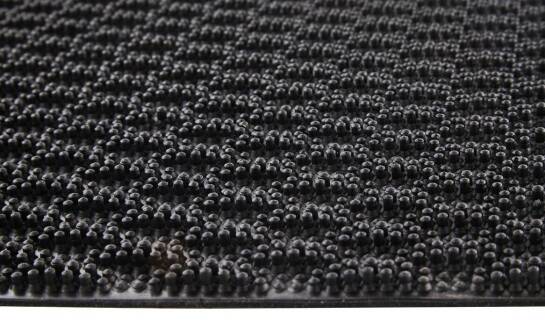
The importance of PVC bar mats in sustainable development projects
Modern businesses increasingly base their strategies on environmental responsibility, which is reflected even in the choice of advertising accessories. Although POS materials are mainly associated with aesthetics, their role in sustainable development projects is becoming crucial. Professional PVC b

A cup as a gift - why is artistic ceramics the ideal choice?
Artistic ceramics are not just dishes but also expressions of art and passion of the creators. By choosing a ceramic cup as a gift, you receive a unique item that combines functionality and aesthetics. Hand-decorated products attract attention and are appreciated by recipients. In this article, we w