Sponsored article
How Ticket Redemption Systems Change the Economics of Family Entertainment Centers
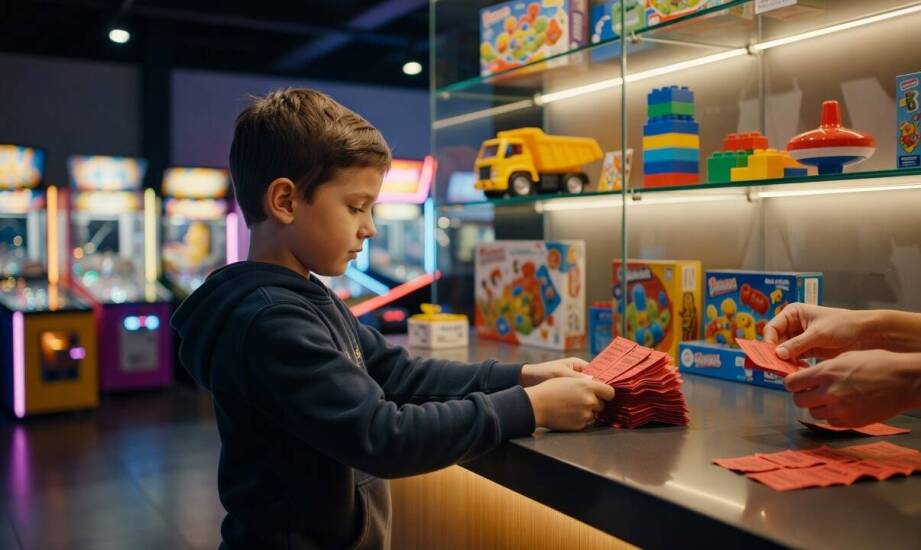
In Family Entertainment Centers (FECs), guests often spend only a short amount of time at individual games. This behaviour can lead to uneven machine usage and encourage visitors to leave the venue sooner than operators would like. As a result, entertainment centres continually seek effective ways to increase dwell time while maintaining smooth traffic flow throughout the facility.
One solution is the implementation of ticket redemption systems, which introduce a structured reward mechanism based on collecting points and exchanging them for prizes. This approach changes the dynamics of the entire venue. Instead of focusing on isolated gaming sessions, guests become engaged in longer activity cycles built around earning and redeeming rewards.
How the Point-to-Prize Exchange Process Works
The guest journey begins when a player starts a game. After completing a session, the machine either dispenses physical tickets or awards digital points to a dedicated game card.
The method of reward distribution depends on the technology used and the operational model of the venue.
Paper tickets are typically scanned and counted at a redemption station, where the accumulated value is assigned to the player's account. Guests can then visit the prize area and exchange their points for rewards that match their balance.
Prize selections are usually designed to accommodate different spending levels. Operators typically offer small novelty items alongside premium rewards that encourage players to return multiple times before accumulating enough points to redeem them.
Self-service redemption stations can further improve traffic management during busy periods by reducing queues and distributing guests more evenly throughout the venue.
A carefully structured reward catalogue gives visitors clear goals and encourages repeated participation.
Software and Operational Management
The software behind a ticket redemption environment is responsible for coordinating the entire operational process.
It integrates point counters, redemption terminals, and attraction data into a single ecosystem, giving venue staff real-time visibility into performance metrics. Every transaction is recorded immediately, allowing operators to collect valuable information about player behaviour and attraction popularity.
The system continuously tracks game performance, ticket distribution, and prize inventory data.
This information can help operators adjust game settings, monitor redemption activity, and maintain an appropriate balance between rewards and operating costs.
Industry practice often involves reviewing ticket payout percentages to ensure that gameplay remains attractive to guests while supporting sustainable venue operation.
Regular analysis of these metrics also helps operators fine-tune game difficulty levels and overall customer engagement strategies.
The Role of Arcade Equipment in Guest Engagement
Ticket-based environments are most effective when paired with the right mix of attractions. Common categories include skill games, interactive video experiences, and crane machines.
Many operators find that strategically selected amusement machines help generate traffic in key areas of the venue and encourage guests to move between attractions.
Well-balanced game mechanics can increase player engagement and support longer visits throughout the facility.
Because rewards are tied to performance, players often remain motivated even after multiple sessions, creating a stronger connection between gameplay and prize redemption.
Impact on Dwell Time and Venue Planning
Introducing a structured reward system can significantly influence how long guests remain inside an entertainment centre.
The desire to earn a particular prize often extends gameplay sessions. Industry experience suggests that games incorporating ticket redemption features frequently encourage longer engagement than standalone games without a reward component.
Clear prize goals can motivate repeat participation and contribute to higher guest retention.
This model is particularly effective among children and families, who often enjoy gradually working toward larger rewards. Instead of ending a visit once an initial game budget has been spent, guests may choose to continue playing in order to reach a specific redemption target.
The reward system also makes it easier to build a balanced attraction mix. Simpler games provide accessible ticket earnings for younger visitors, while more skill-based attractions appeal to older children and teenagers seeking larger rewards.
Equipment Monitoring and Inventory Management
Traditional paper tickets combined with centralised software provide operators with extensive control over inventory and reward distribution.
Modern redemption counters and management systems help eliminate many historical issues associated with ticket handling and manual inventory tracking.
Real-time inventory monitoring reduces the risk of ordering errors and improves stock management efficiency.
Access to detailed reporting makes it easier to identify underperforming rewards and replace them with products that better match guest preferences.
Integrated network environments can also quickly identify technical issues with individual redemption stations. If a dispenser or counter experiences an error, administrators can be notified immediately through the management system.
The high degree of automation supports operational efficiency and allows staff to focus more attention on customer service rather than administrative tasks.
Infrastructure Requirements for Successful Implementation
Successful implementation depends on effective integration between gaming equipment, management software, and network infrastructure.
Reliable communication between analytical servers, redemption terminals, and game systems is essential for accurate point accounting and smooth operation. Consistent data synchronisation helps eliminate the risk of point discrepancies and provides operators with clear visibility into machine performance.
Magic Play has been developing ticket redemption solutions for Family Entertainment Center operators since 2000. The company designs both hardware and software systems that support reward management and operational control within entertainment venues.
Integrated software environments provide operators with accurate operational insights and support long-term business optimisation.
When all elements work together efficiently, venue owners gain a clearer understanding of machine utilisation, reward performance, and guest behaviour. This data-driven approach supports ongoing improvements and helps create a more engaging entertainment experience.
You might be interested
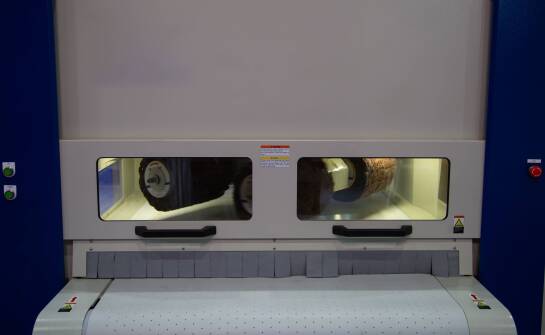
What Distinguishes Deburring Tools in the Form of Deburring Discs?
Deburring discs are versatile deburring tools used in various sheet metal processing operations. Thanks to modern technologies and innovations, they have become an essential element in the production and processing of metal materials. In this article, we will discuss their role in descaling, deburri

How do fit-out and refurbishment in Cracow affect interior aesthetics?
Interior aesthetics play a crucial role in the functionality and comfort of using a space. In Cracow, there is a growing interest in fit-out and refurbishment services, which enhance the appearance of homes and offices. Renovations significantly impact the image of properties, which is important for